
Trash Enclosures
Steel enclosures that hide and protect wheelie bins from the street — single, triple and planter-roof designs for residential front gardens.
Production models in this range
Wheelie bin storage is a strong seller wherever local collection rules require bins to be off the pavement. Our enclosures use a weatherproof steel shell with lifting lids and easy access for collection day.
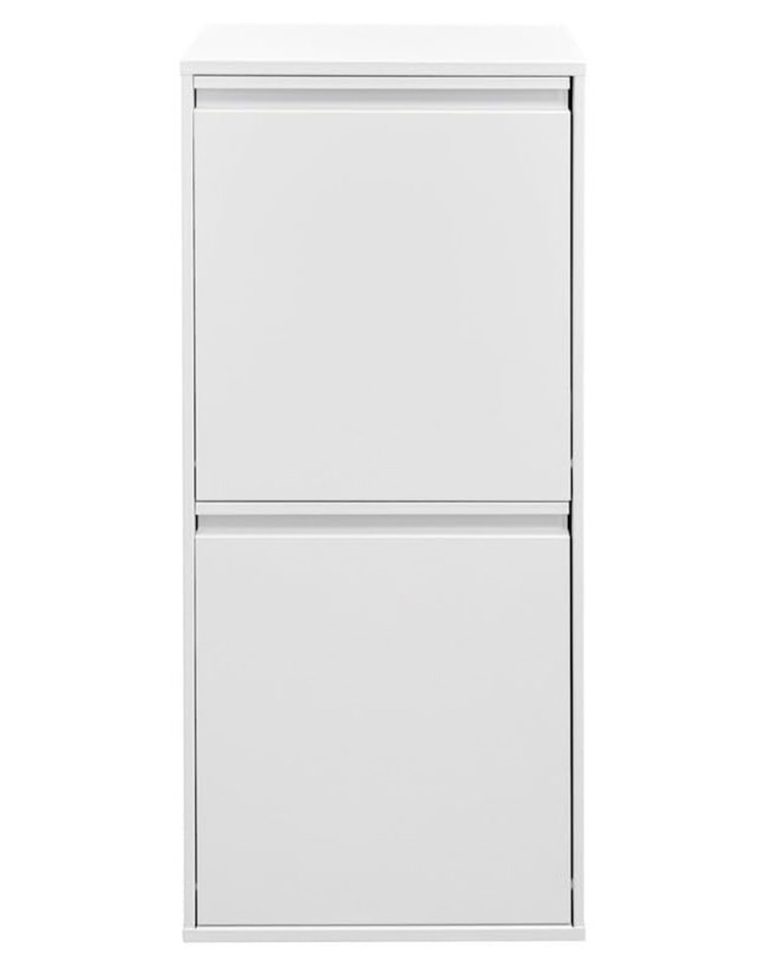
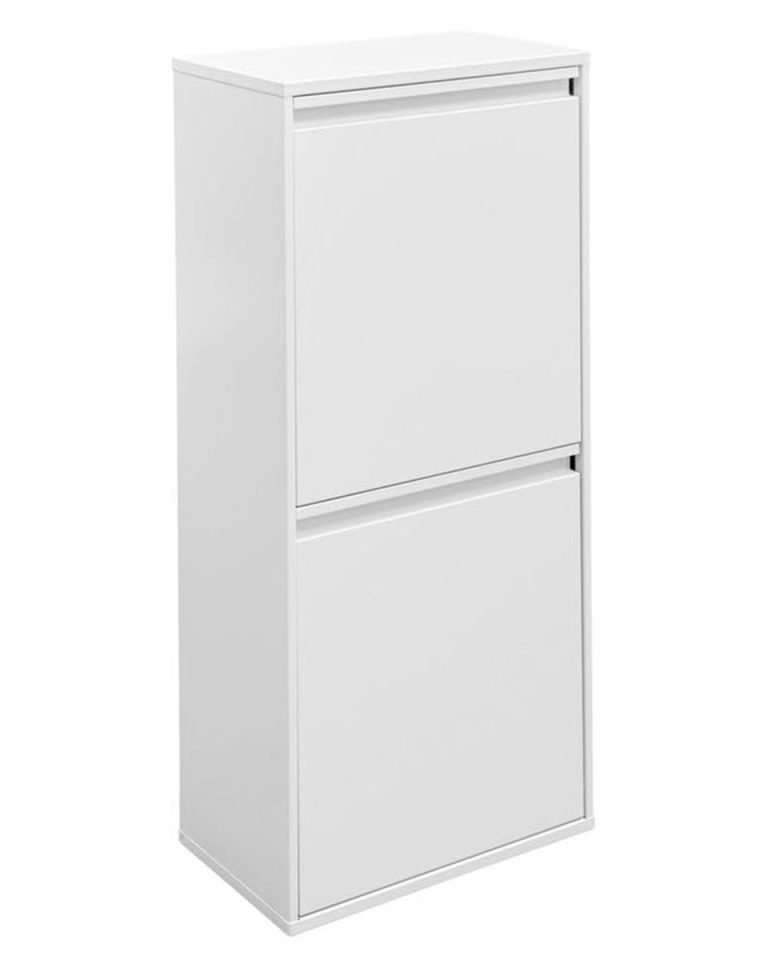
CR402 Double Wheelie Bin Store, Lockable
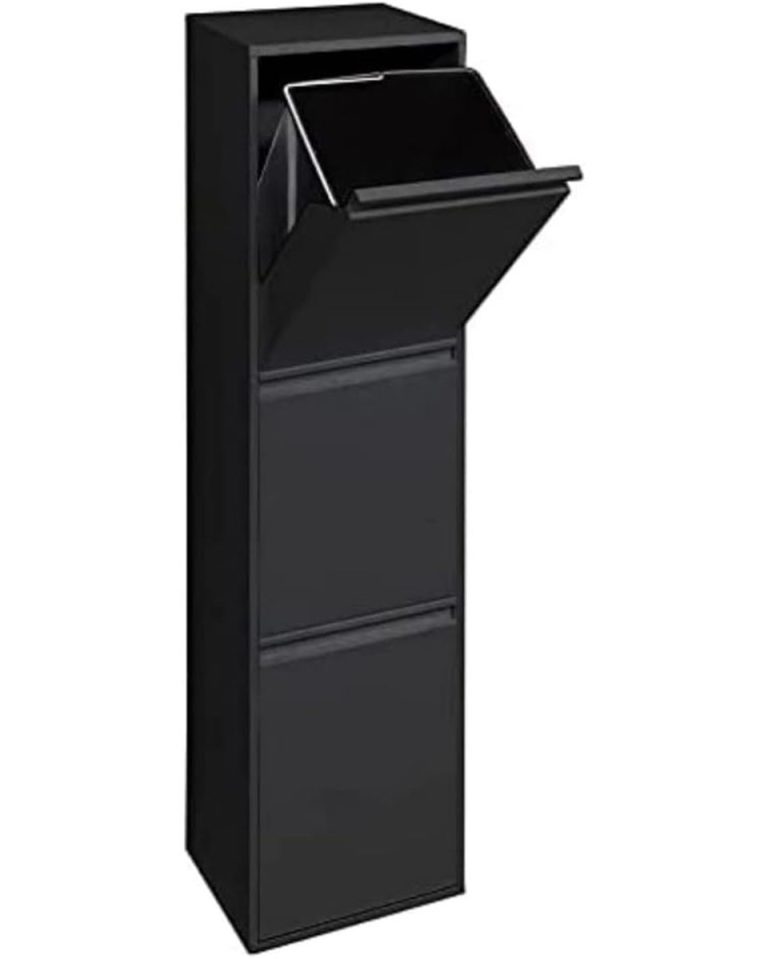
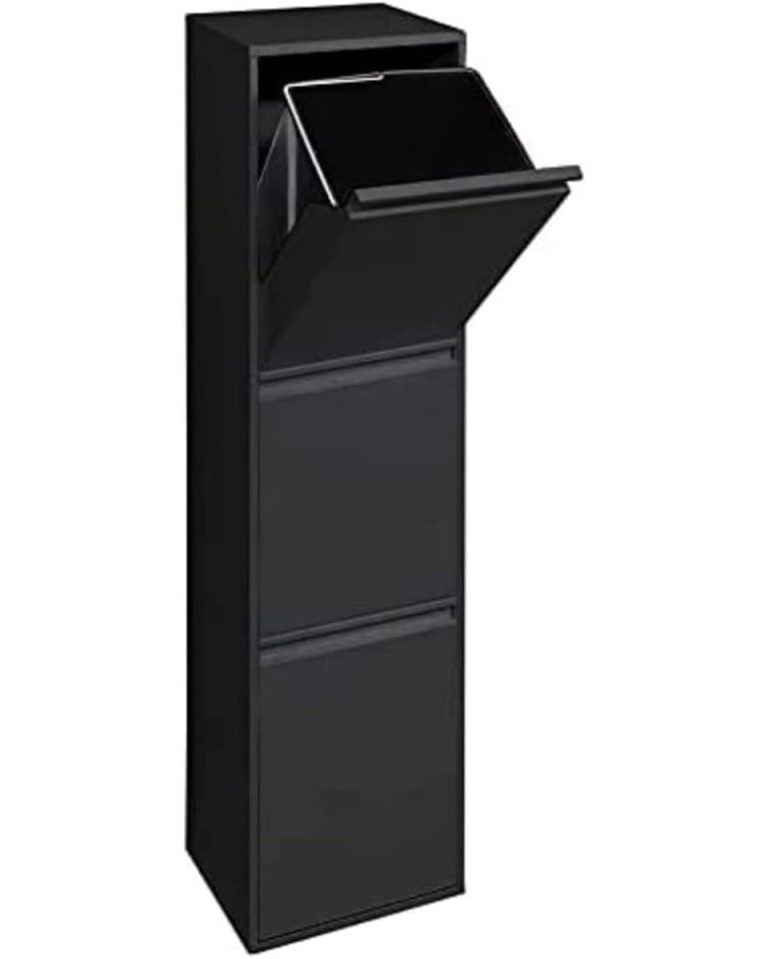
CR302 Lockable Wheelie Bin Store, Powder-Coated
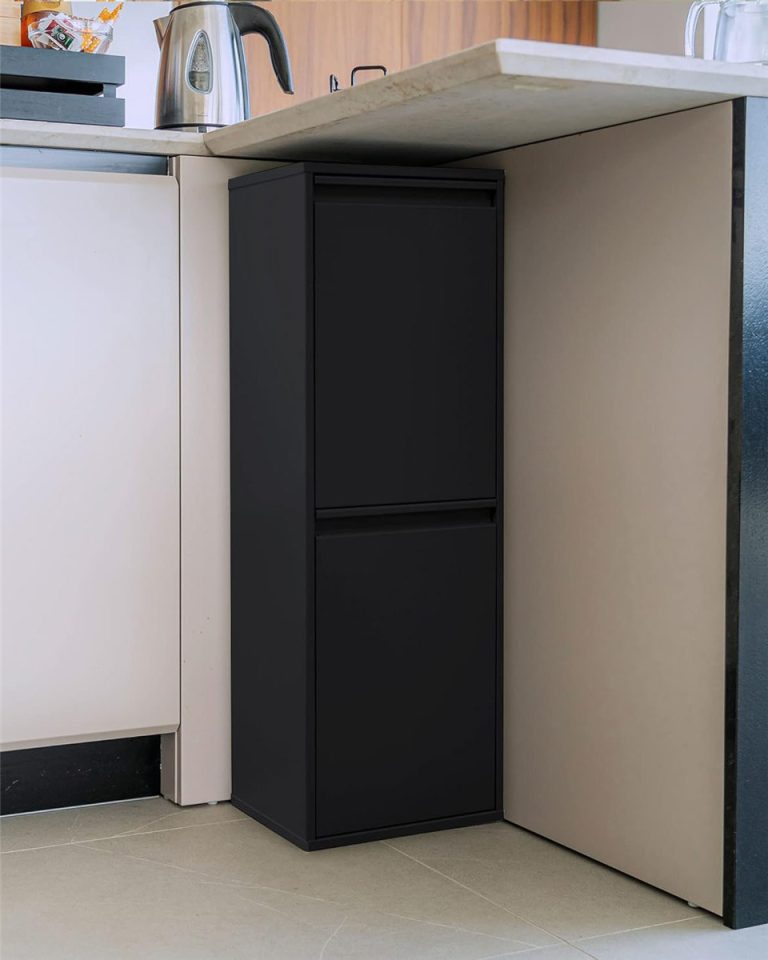
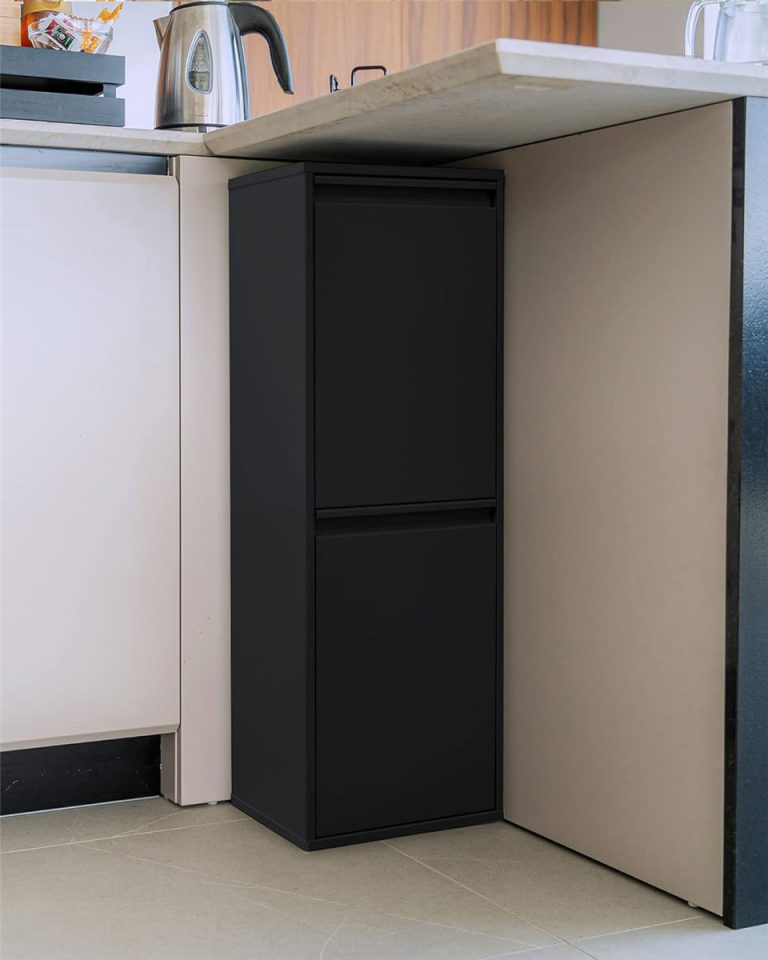
CR202 Double-Door Wheelie Bin Store Cabinet

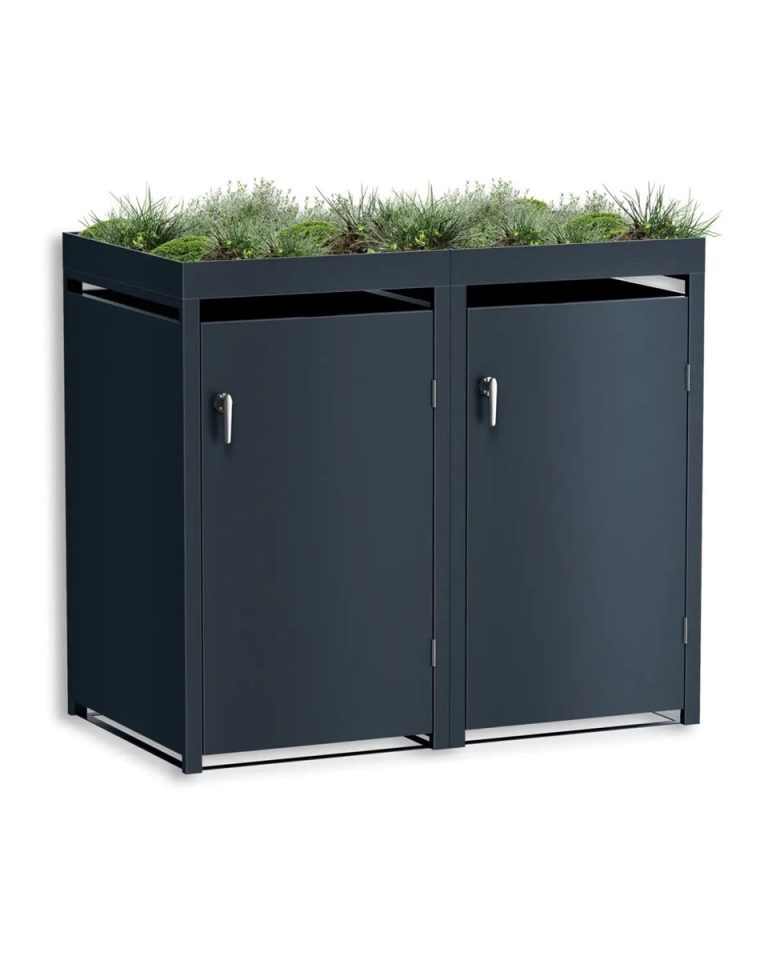
CRS402 Double 240L Bin Store with Plant Roof
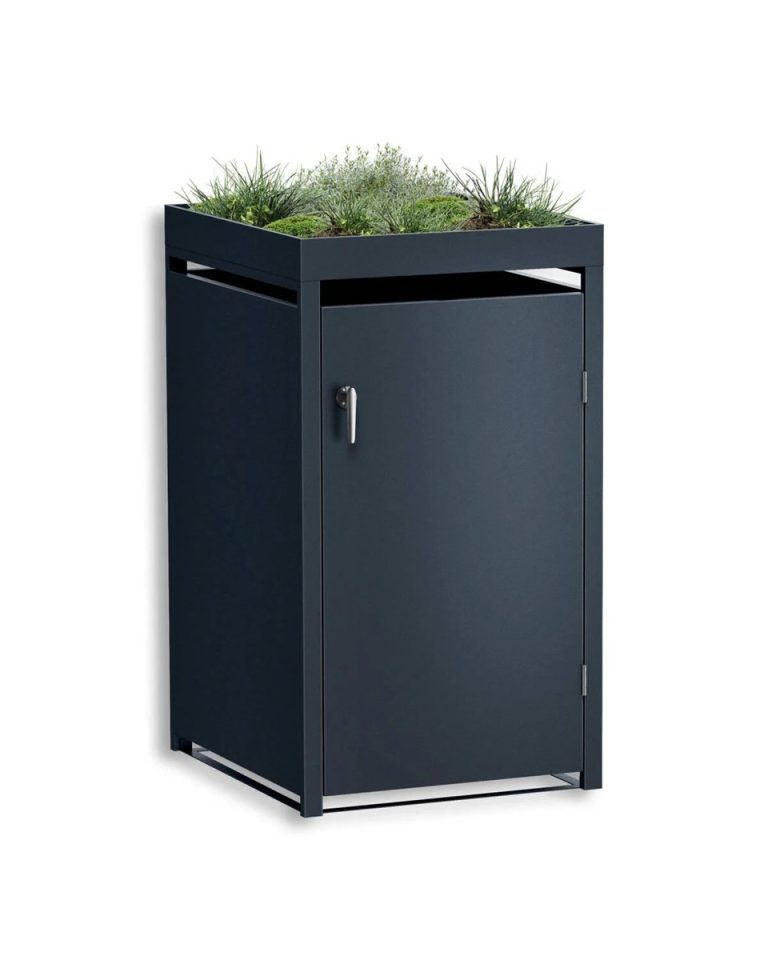
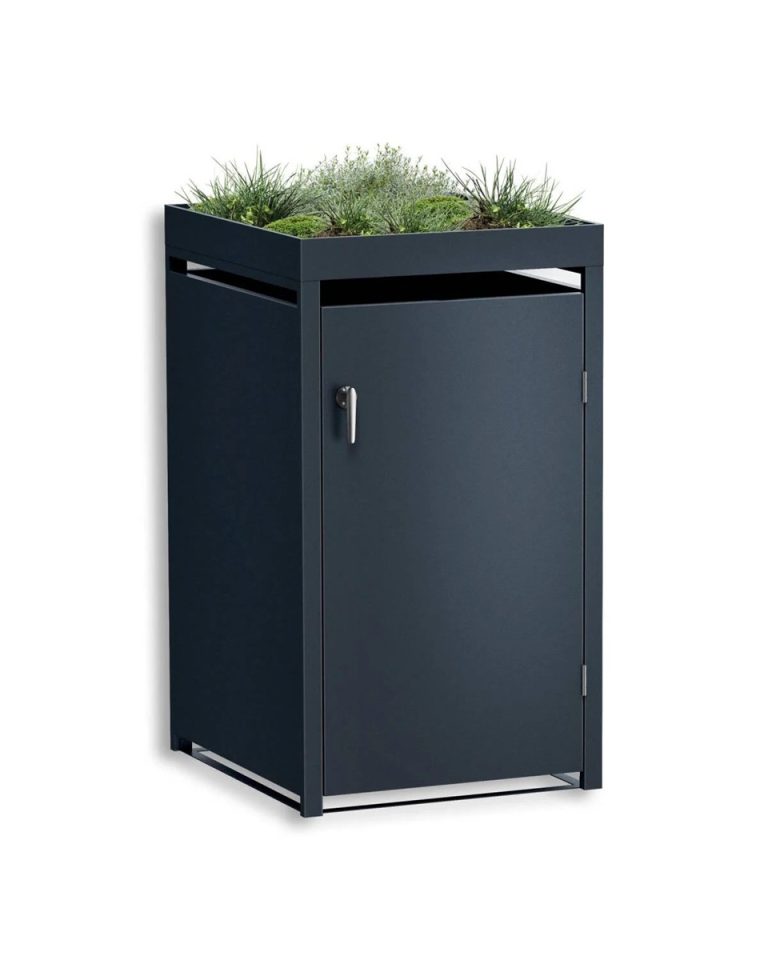
CRS401 240L Wheelie Bin Store with Plant Roof
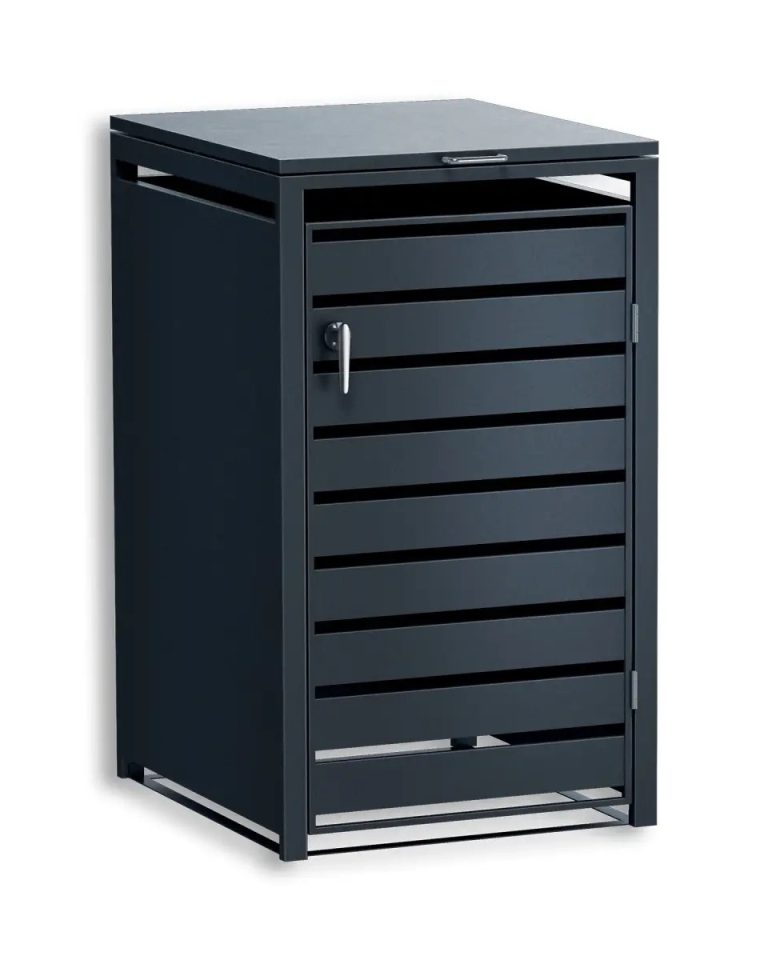
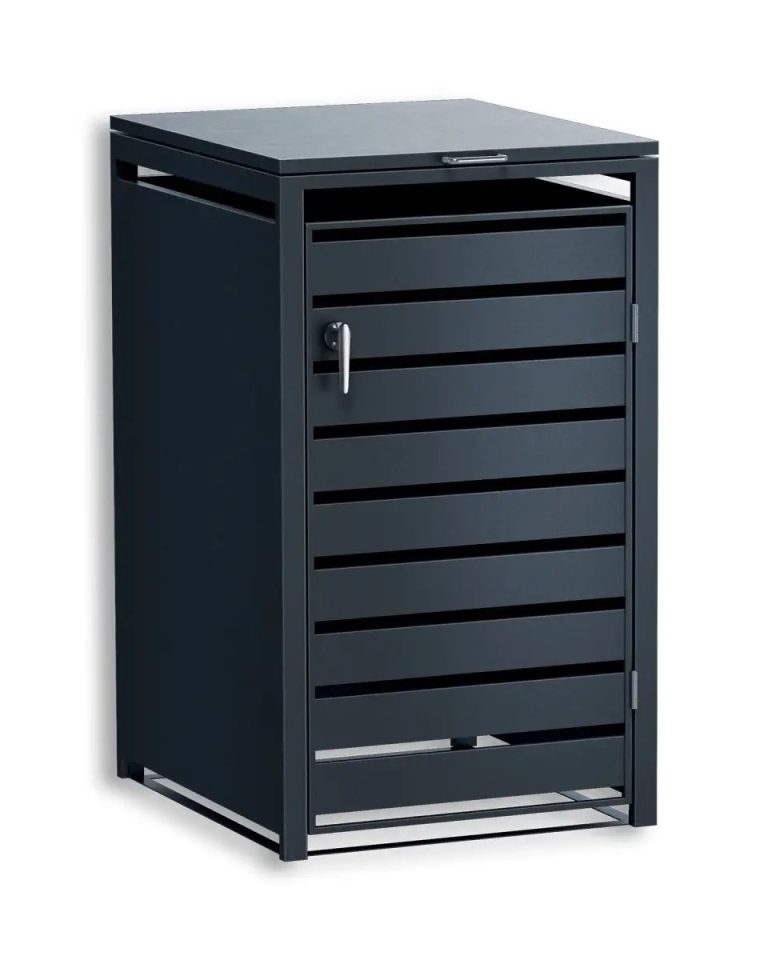
CRS302 Single 240L Wheelie Bin Enclosure

CRS301 240L Bin Store, Anthracite RAL 7016

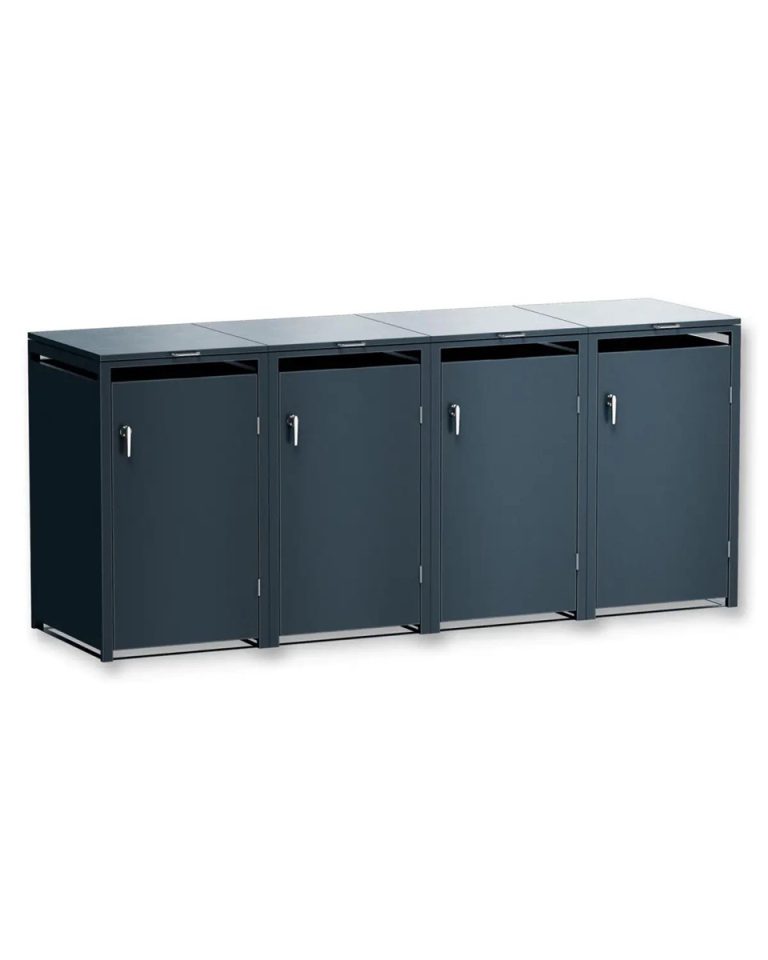
CRS202 Stainless Steel 240L Bin Store

CRS201 240L Stainless Wheelie Bin Store
OEM & wholesale Trash Enclosures supply
Existing models plus custom manufacturing for brands, distributors and property projects.
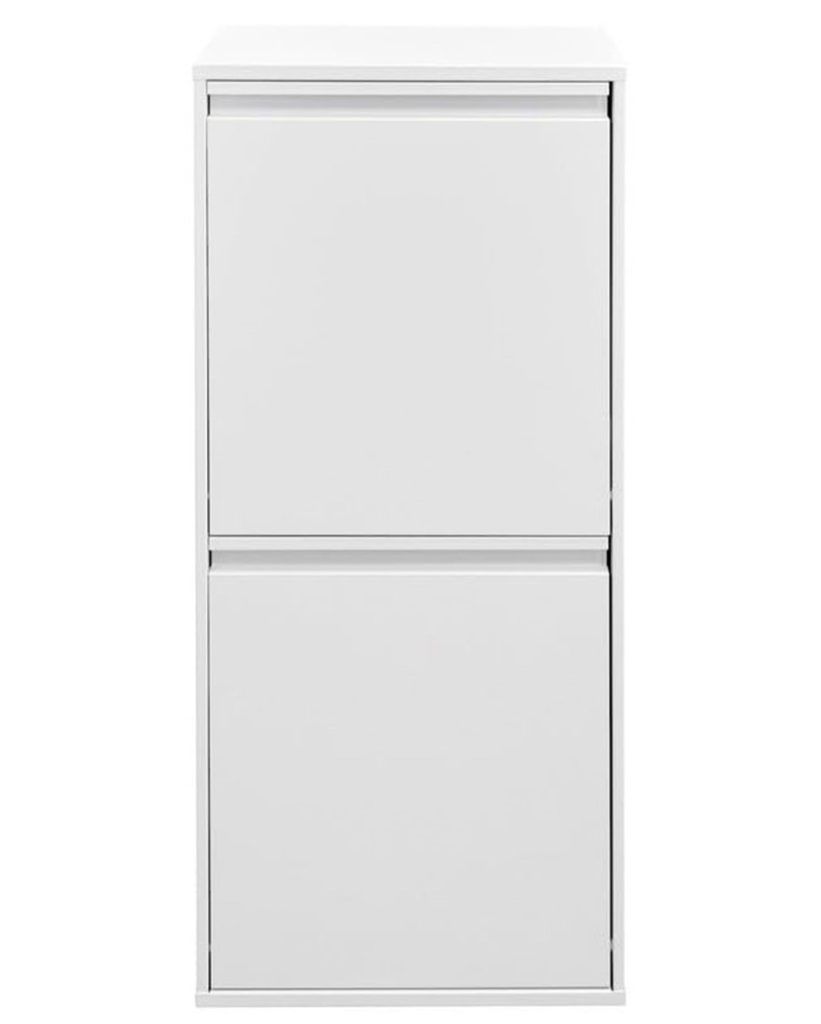
We supply our standard bin enclosure range and build project-specific designs for retailers, distributors and housing projects. Bin count, lid opening direction, planter-top option, colour and packaging are all set per order. Tell us the bin size your market uses and we confirm the internal dimensions before production.
Why Choose Us for Your Custom trash enclosures Solutions?
From initial concept to mass production, we provide end-to-end support for distributors, brands, and project buyers worldwide.
Precision Manufacturing
We manufacture high-quality metal enclosures, mailboxes, parcel drop boxes, and waste receptacles in various sizes, mounting options, and structural designs for both residential and commercial applications.
Flexible Customization
Tailor every detail to your target market or project: dimensions, materials, colors, surface finishes, lock types, access options, custom logos, internal layouts, and custom packaging.
Strict Quality Control
Every product undergoes rigorous inspection across raw materials, fabrication, welding, surface coating, assembly, lock functionality, and final packaging.
OEM & Project Support
Share your drawings, dimensions, or sample photos with us. We support quick prototyping, custom development, bulk manufacturing, and private-label production.
Trash Enclosures production process
Every trash enclosures is built through sheet-metal fabrication, forming, assembly and finishing in our Jiangmen plant.
 1
Laser Cutting
Sheet and bin enclosure panels are cut to the required dimensions, openings and mounting details.
 2
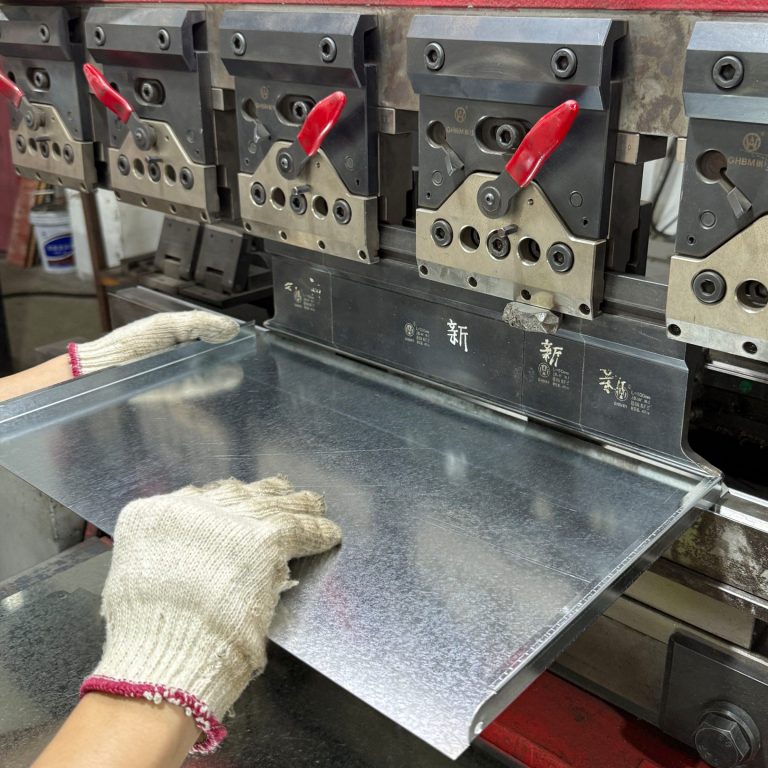
CNC Bending
Panels are formed into the body, front panel, doors and structural components of the bin enclosure.
 3
Welding & Structure Forming
Required joints, supports and mounting components are joined into a stable bin enclosure structure.
 4
Powder Coating & Baking
Suitable metal surfaces are powder coated and cured to the specified colour and outdoor finish.
 5
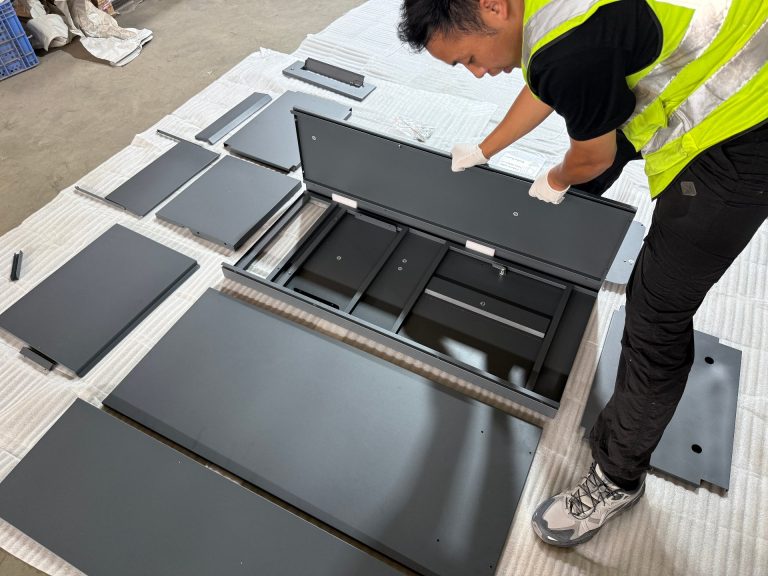
Assembly
Doors, locks, hinges and fittings are assembled according to the selected design.
 6
Quality Inspection & Packaging
Key dimensions, opening alignment, door operation, locks, surface appearance and packaging are checked before shipment.
FAQ
The questions wholesale buyers ask most often about our trash enclosures range.
Can bin enclosures be sized to the wheelie bin format our market collects?
Yes. Send the bin dimensions your market uses and we size the enclosure around them — single, double and triple units, with flat lid, planter roof or bench-top versions, plus larger screens for shared courtyards.
Do you supply bin enclosures for garden retail and private-label programmes?
Yes. Retail-ready cartons, barcodes, your logo on the box and assembly sheets are produced per programme, and repeat production runs against the approved sample so shelf-ready stock stays consistent.
How are knock-down enclosures shipped and assembled on site?
Panels are knocked down and packed flat for container loading, which keeps freight cost per unit down. Assembly on site needs only basic hand tools, and numbered fittings plus an instruction sheet ship in the carton.
What is your process from enquiry to first shipment?
We review your drawing, reference product or bin specification, confirm the panel layout and finish, then quote tooling with the first sample. Mass production follows sample approval, with batch inspection before the container is loaded.